DREAM Act Students Occupy Senator McCain's Office
Five undocumented students sat down in John McCain's Tucson office and refused to leave - knowing deportation could follow.

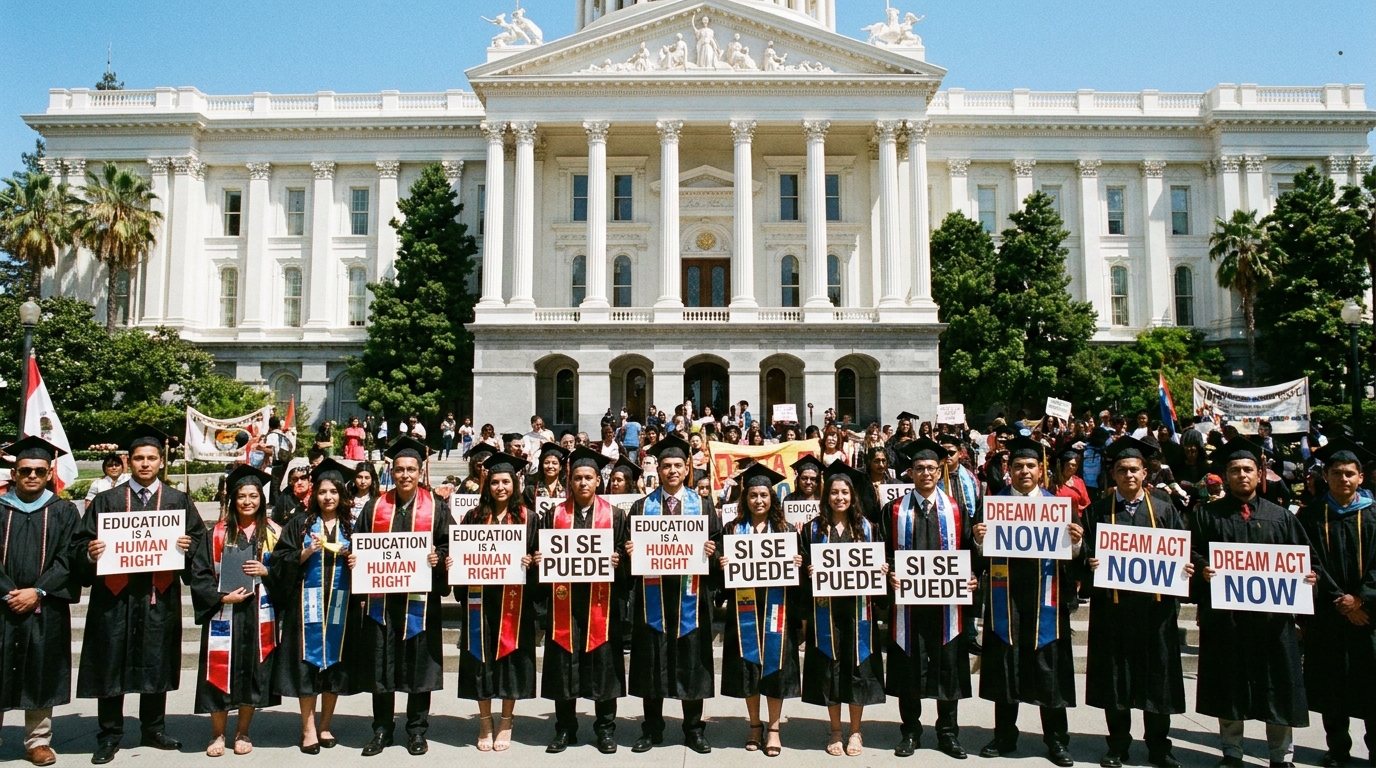
They wore graduation caps and gowns. They sat down in Senator John McCain’s Tucson, Arizona office on May 17, 2010. They said they would not leave until McCain agreed to support the DREAM Act. Five of them were undocumented. All five were arrested.
This was a calculated act of civil disobedience by people who understood exactly what was at risk for them personally and chose to do it anyway.
What the DREAM Act Was
The Development, Relief, and Education for Alien Minors Act had been introduced in Congress in various forms since 2001. In its basic structure, it would have provided a path to legal status for undocumented young people who had been brought to the United States as children, had lived in the country for a specified period, and had either completed two years of college or served in the military.
The beneficiaries - who became known as Dreamers - had grown up in the United States, attended American schools, spoke English, had American friends and American identities. Many of them had never known any country other than the United States. They were legally undocumented but culturally and practically American in every sense that matters.
The DREAM Act had, at various points, received support from both parties. Senator McCain himself had been an early co-sponsor.
Why McCain
By 2010, John McCain was facing a primary challenge from the right in Arizona and had moved significantly away from his earlier support for comprehensive immigration reform. He was now among the opponents of the DREAM Act.
The students in graduation gowns chose McCain specifically because of this reversal. The argument was: you supported this once. You know who these young people are. The fact that primary politics changed your position does not change their situation.
It was a rhetorical choice as much as a tactical one. McCain as a target made visible the dynamic by which political expediency overrides human consequences. Immigration reform had been sacrificed, repeatedly, on the altar of electoral calculation. The students in his office were the human cost of that calculation.
The Calculation the Students Made
Every undocumented person who engages in public activism takes on personal risk that documented activists do not face. An arrest, even without conviction, can trigger deportation proceedings. A public profile can make you a target. The five students who sat down in McCain’s office had weighed these risks and decided the political moment required it.
This was a specific strategy within the broader DREAMer movement: visibility as protection. The logic was that undocumented young people who were publicly known, who had told their stories, who had faces and names attached to the abstract phrase “undocumented immigrant,” were harder to deport without political cost. Making yourself visible was a form of defense.
It was not a perfect defense. But it was the one available.
What Happened After
The students were arrested, held, and released. The immediate arrests did not result in deportation proceedings, partly because of the political visibility they had created and partly because the Obama administration was already navigating its own internal immigration politics.
The DREAM Act itself came close to passing the Senate in December 2010, falling short of the 60 votes needed to break a filibuster. Several Republicans who had previously supported versions of the bill voted against it in that session.
In June 2012, President Obama announced the Deferred Action for Childhood Arrivals program - DACA - which provided temporary deportation protection and work authorization for Dreamers without providing a path to citizenship. It was an executive action, not a law, which meant it could be revoked by any future administration.
It was revoked in 2017. The courts partially restored it. Its legal status remained contested years later.
The students in graduation caps in John McCain’s Tucson office in 2010 are still waiting for a law.