ALAS Concert: When Latin Stars Sang for Latin America's Children
A stadium full of Latin music stars, one cause, and a reminder that the biggest names in the genre can still be moved by more than record sales.

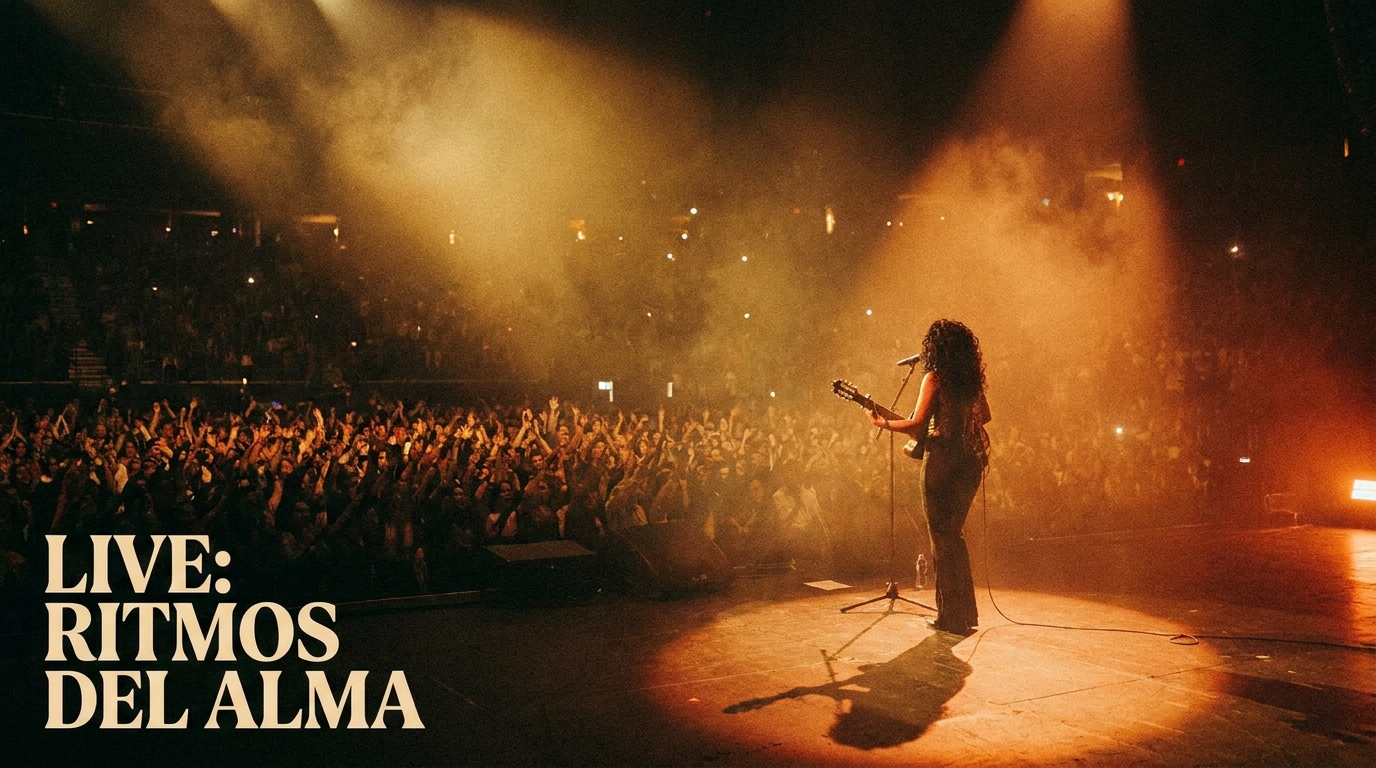
ALAS Soars, But Does It Land? A Night of Music, Solidarity, and Maybe Just a Little Bit of Smoke and Mirrors
The air crackled with anticipation. Miami’s AmericanAirlines Arena, usually a battleground for basketball dominance, transformed into a vibrant tapestry of Latinidad for the ALAS concert in April 2008. America Latina en Accion Solidaria, bringing together some of the biggest names in Latin music, promised a night of unforgettable performance and a boost for early childhood development in Latin America. And in many ways, it delivered.
The spectacle was undeniable. Alejandro Sanz, ever the romantic troubadour, melted hearts with his signature ballads. Calle 13, with their politically charged lyrics and infectious energy, ignited the crowd, reminding us that reggaeton can be more than just a party anthem. Ricky Martin, a seasoned showman, brought the house down with his electrifying choreography and undeniable charisma. And Shakira, well, Shakira was Shakira. A force of nature, her voice and hip movements defying gravity and captivating everyone in the arena.
The vibe was electric, a heady mix of excitement, pride, and a sense of collective purpose. The audience sang along to every word, waved flags representing their countries, and cheered wildly for the cause. It felt like a powerful display of solidarity, a moment where music transcended entertainment and became a vehicle for social change.
But beneath the surface of the dazzling performances and heartfelt speeches, a nagging question lingered. How much of this was genuine altruism, and how much was carefully crafted PR? ALAS, as an organization, aims to improve the lives of children in Latin America through initiatives focused on early childhood education, health, and nutrition. These are undeniably vital causes, and any effort to raise awareness and funds is commendable. However, the sheer scale of the concert, the celebrity endorsements, and the high-profile media coverage inevitably raise questions about motivation.
The politics of a cause-based Latin music concert are complex. On one hand, it provides a platform to address critical social issues and mobilize a large audience. On the other hand, it risks reducing complex problems to sound bites and relying on celebrity charisma to drive engagement. Is a three-minute song enough to spark meaningful change? Does a celebrity endorsement truly translate into sustainable impact?
Furthermore, the very act of bringing together these artists, many of whom have achieved immense wealth and privilege, to advocate for the less fortunate can feel somewhat paradoxical. While their contributions are undoubtedly valuable, it’s important to remember that systemic change requires more than just donations and concerts. It requires policy reforms, grassroots movements, and a fundamental shift in societal values.
Do these kinds of events actually change anything in the long run? The truth is, the answer is complicated. ALAS has undoubtedly raised significant funds and awareness for early childhood development. But the impact of these efforts is difficult to quantify, and the underlying issues of poverty, inequality, and lack of access to education persist.
Ultimately, the ALAS concert was a powerful and entertaining event that brought together a diverse community in support of a worthy cause. It showcased the immense talent and cultural richness of Latin music. Whether it truly moved the needle in a significant way is debatable. Perhaps the real value lies not just in the money raised, but in the conversations sparked, the awareness generated, and the reminder that we all have a responsibility to build a more just and equitable world for future generations. Even if it’s just one song at a time.