Ricky Martin Sticks It to Bush
When the biggest Latino pop star in the world decided to criticize the sitting president, the backlash was immediate - and revealing.

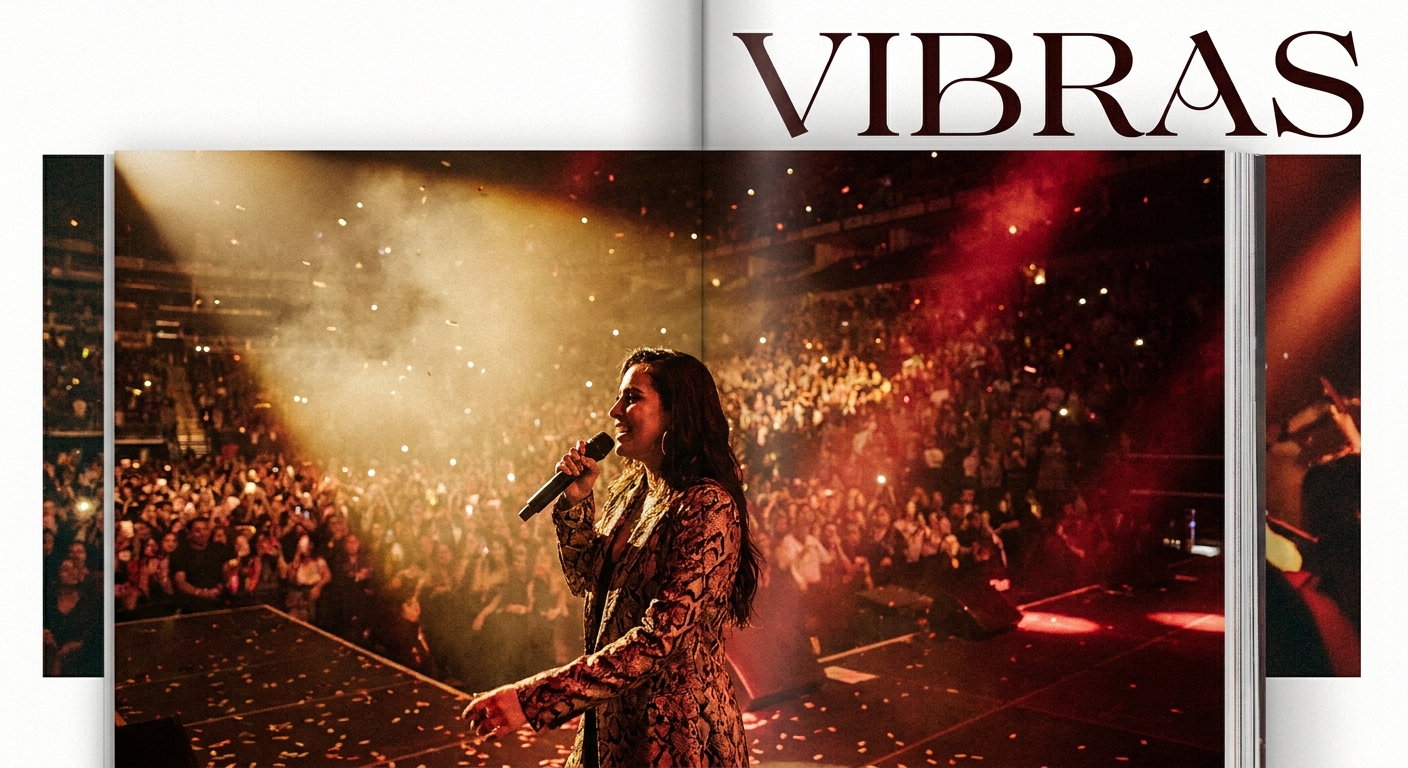
Ricky Martin had been making anti-war statements for several years before they became a news story. He’d said things at concerts. He’d said things in interviews in Spanish-language media. He ran a foundation, the Ricky Martin Foundation, focused on combating child trafficking and exploitation - work that took him to conflict zones and gave him a specific, firsthand perspective on what wars do to children.
But when he said it in English, in American media, in the context of George W. Bush’s Iraq War, it became a different kind of story.
What He Said
In the period around 2007, as the Iraq War entered its fourth year and public opposition in the United States had reached a majority, Ricky Martin made a series of statements calling for peace and criticizing the war. He said this at award shows. He said it in press interviews. He said it without apparent calculation about what it might cost him commercially.
The backlash from conservative media was swift and personal in the way that celebrity political statements always draw swift personal backlash. He was told to stick to music. He was told he had no standing to criticize the United States. He was reminded that he was Puerto Rican, which some commentators seemed to believe was a foreign country - a misunderstanding of American territorial geography that Ricky Martin, a U.S. citizen by birth, declined to help correct.
What It Means for a Latino Star to Say This
There is an implicit contract in American entertainment culture: if you are foreign-born, immigrant, or ethnic minority, your access to celebrity success comes with an expectation of gratitude. You do not criticize the country. You do not make the people who made you famous uncomfortable. You are a guest here, even if here is the country where you were born.
Ricky Martin is Puerto Rican. Puerto Rico is a U.S. territory. He is an American citizen. He was not born in a foreign country. He was not an immigrant expressing ingratitude. He was a citizen expressing a political opinion, which is constitutionally protected regardless of whether the person expressing it has a Latino surname and makes music people dance to.
That this distinction was apparently confusing to portions of his audience says something about how Latino public figures are perceived in the United States.
Puerto Rico and the Military
There is a further layer here that received no coverage in mainstream U.S. entertainment media: Puerto Rico has one of the highest per-capita military service rates in the United States. Puerto Ricans have served in every U.S. military conflict since World War I. The Iraq War meant something specific to Puerto Rican families, who sent sons and daughters at a rate disproportionate to the island’s population.
When Ricky Martin, the most famous Puerto Rican in the world at that moment, said the war should end, he was speaking in a context that had Puerto Rican military casualties as its backdrop. The families of those casualties were not mentioned in the coverage of his comments. The music star’s politics were the story. The politics’ human context was not.
The Expectation of Silence
What the Ricky Martin story reveals is not really about Ricky Martin. It reveals the expectation that Latino entertainers, however successful, however American, however famous, should remain politically neutral in a way that is not demanded of white American entertainers who express political opinions.
When Springsteen says the war is wrong, it’s authenticity. When a Puerto Rican pop star says the war is wrong, it’s overstepping.
That is the operating rule in American celebrity culture, and it applies to Latino celebrities with a consistency that is easy to miss if you are not on the receiving end of it.
Ricky Martin said it anyway. He did not come out of the closet until 2010, but on this particular subject, in 2007, he was unusually willing to say the clear and obvious thing.