Don Omar Detained in Bolivia: What Nobody Told You
When reggaeton's biggest star got detained crossing a border, the real story wasn't about him - it was about how Latin American states treat their own performers.

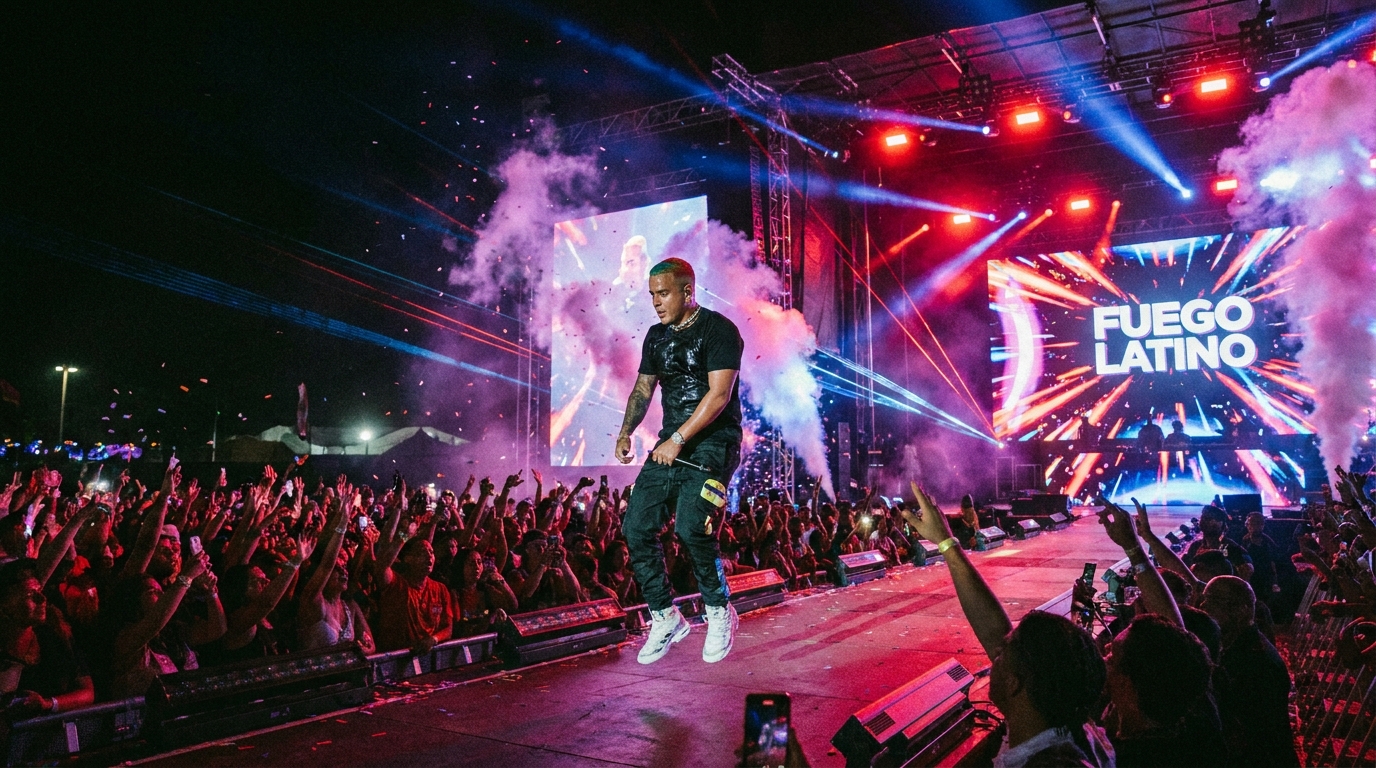
Don Omar - born William Omar Landrón Rivera in Puerto Rico, by 2007 the biggest name in reggaeton worldwide - was briefly detained by Bolivian authorities in September 2007. He was released within hours. He played his concert. He went home.
The story spread across entertainment media quickly, as celebrity detention stories do. It was framed as either outrage or amusement depending on the outlet, which is the usual binary for stories about famous people being inconvenienced.
What did not get discussed: what it reveals about how Latin American governments manage artists and culture from the Caribbean, particularly from Puerto Rico.
What Happened
Don Omar arrived in Bolivia for a concert engagement. Bolivian customs officials held him over paperwork irregularities - the specific issue was variously reported as problems with his artist visa documentation or a dispute over the terms of his performance contract and tax obligations. He was held at the airport, not in a cell, and released after several hours once the matter was resolved or sufficiently complicated by his management team and promoters.
The concert happened. The incident became a news item. Within a week it was largely forgotten.
The Reggaeton Problem in Latin America
Context that rarely appears in entertainment coverage: by 2007, reggaeton had become one of the most commercially successful genres in Latin America, but it remained politically and culturally contentious in several countries. The genre, rooted in Puerto Rican urban music with strong Jamaican dancehall influence, was banned from radio in several markets in the early 2000s. It was criticized by cultural officials and music establishment figures across Latin America as vulgar, American-influenced, and threatening to “authentic” national music traditions.
This is a familiar argument. The genre accused of destroying culture is almost always the one coming from the bottom rather than the top, from Afro-Caribbean youth rather than the cultural establishment, from street corners rather than conservatories.
Bolivia in 2007 was navigating its own identity politics under President Evo Morales, the country’s first indigenous president, who emphasized indigenous Bolivian culture and was sometimes associated with positions skeptical of what he called cultural imperialism from the north - a category that, in practice, sometimes included Caribbean commercial music alongside U.S. pop.
Whether this specific detention had anything to do with those dynamics or was genuinely just a paperwork problem is not clear. What is clear is that the story of a Puerto Rican artist being held at a Bolivian border crossing has layers that get erased when it becomes only a celebrity gossip item.
Don Omar in 2007
It is worth noting where Don Omar was in his career at that moment. “King of Kings,” his second studio album, had just been released and would go on to become one of the best-selling reggaeton albums of all time. He was performing across Latin America to sold-out venues. His music was being played on radio stations in countries that had banned reggaeton two years earlier.
The genre had simply outrun the politics. When something is that commercially irresistible, the official disapproval tends to get quietly retired.
The Border as Political Theater
What the Don Omar story shares with dozens of similar stories about Latin American and Caribbean artists traveling within the region is this: the border, for a Caribbean performer arriving to perform for paying audiences in a South American country, is a place where politics, music culture wars, tax collection, and bureaucratic improvisation all collide. It is rarely just paperwork.
Artists from Puerto Rico face an additional complication: Puerto Rico is a U.S. territory, which means Puerto Ricans travel on U.S. passports. Arriving at a Latin American border on a U.S. passport, as a Spanish-speaking Caribbean artist, puts you in a category that does not map cleanly onto the expected categories of American tourist or Latin American citizen. Immigration officials who are not sure what to do with that ambiguity sometimes default to inconvenience.
Don Omar was fine. He is very famous and had promoters who knew who to call. The lesser-known artists who share this experience do not always resolve it in a few hours.
That part of the story did not make the entertainment section.