Blueprint for a Road that Already Is : #CIR

And they’re off! “The Road to Immigration Reform Starts Today!” announced one organizational email. They are talking about a set of immigration reform principles – not an actual bill – that was released today by a bi-partisan group of eight senators :Senators Bennet (D–CO), Durbin (D–IL), Flake (R–AZ), Graham (R–SC), McCain (R–AZ), Menendez (D–NJ), Rubio (R–FL), and Schumer (D–NY).

What’s interesting about all the congratulatory messages that ask people to support immigration reform,  is that they lack an actual analysis of what is in the principles. Since the principles include “a pathway to citizenship”, it’s assumed to be good enough.

It is extremely disheartening to read messaging that renders invisible the years of work by immigration and human rights activists. Claiming that the work begins now, denies the role that some of these very same “pro-migrant” orgs have played in watering down the demands of comprehensive immigration reform. It has now become acceptable to become reactive instead of proactive. Instead of telling the administration and Congress what we want, we are expected to celebrate lawmakers rehashing old policies and basically doing their job – working together. IIt is no longer enough to say, stop the deportations. That is obvious and it has been for some time.
It is no longer enough to say that enforcement only policies like Secure Communities need to be defunded. We have to be willing to stand up and say things like:

1: The border is “secure” so let’s stop pouring money  into agencies and organizations that put more boots on the ground and enforcement technology.

2: Being able to live in the United States “with papers” shouldn’t be based on some merit system that awards the “smart” immigrants. If we really want to award success then we need to look at how the educational system in the US perpetuates cycles of poverty and underachievement, filtering a limited amount of “success stories”.

3: Employment verification systems like E-Verify have proven themselves flawed and harmful to the labor market so stop the push to make this mandatory. Immigrants are not taking peoples’ jobs. That’s the unspoken subtext. Cut it out. We will not accept the introduction of a biometric identification card which has been the subtext for much of this portion of discussion in years past.

4: We don’t want a guest worker program. We want fair labor standards for farmworkers. How is the proposed Agricultural Worker Program different from H-2A visa program already in place?

5. This get to the back of the line language means people who are already in the United State will have to wait how long before they can get papers? 10 years? 20 years? Is this the beginning of an expanded DACA like program that will allow people to stay in the US in a limbo status indefinitely? How do immigration court backlogs figure into this line?

6: Who will determine what makes an immigrant “seriously criminal” or a threat to national security  and thus ineligible for citizenship and targeted for deportation?

7. Limits on accessing federal public benefits for “lawful probationary immigrants” helps to perpetuate poverty and poor health outcomes in immigrant communities. This isn’t being “tough”, this is punishment.

8: Having an English language requirement in order to earn a green card is reminiscent of Jim Crow era literacy laws. There is already a proficiency requirement to become a naturalized citizenship. Making it a requirement for permanent residency has one intention, to limit the amount of people eligible.

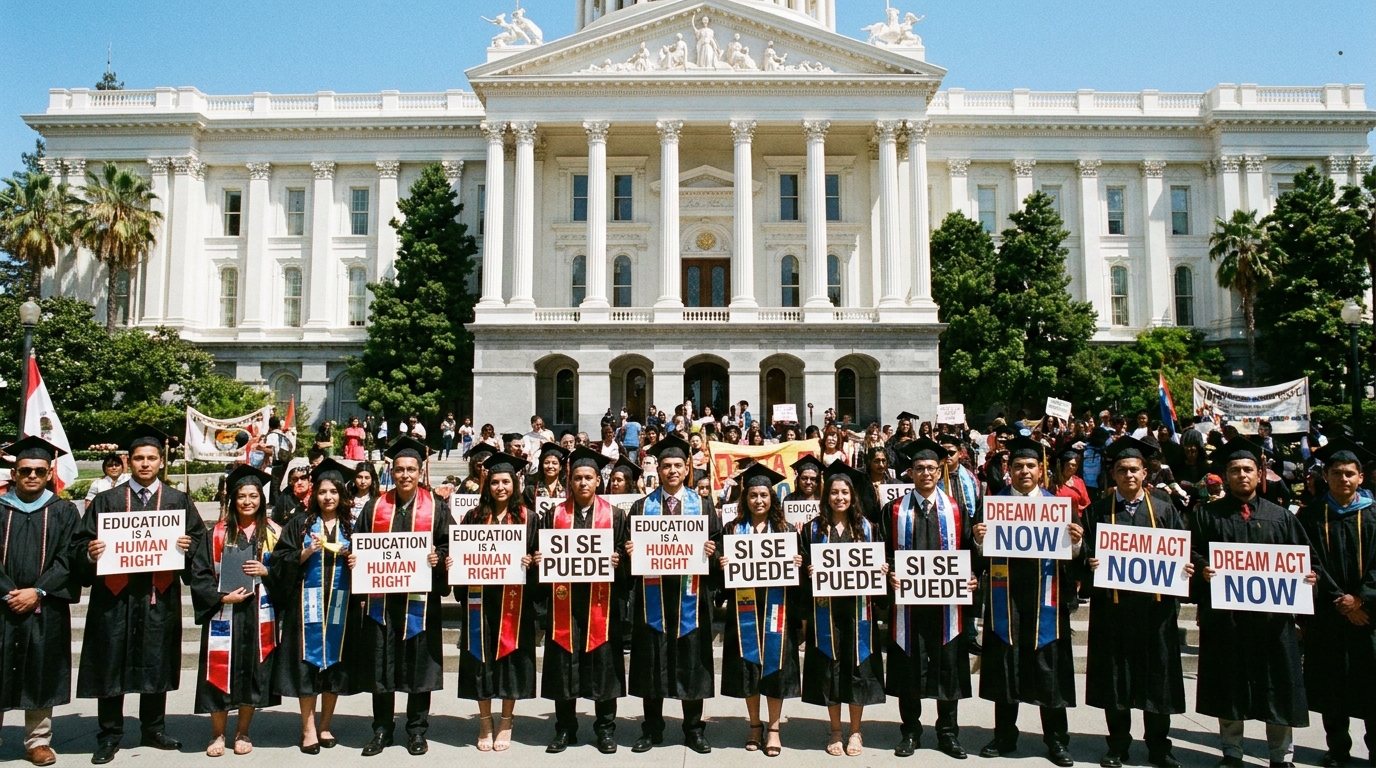
9: Creating a fast track to citizenship for DREAMers and some agricultural workers while leaving others to languish in undefined lines will serve to further separate families who have mixed statuses and mixed immigration histories. No to a hierarchy of applicants.

I have read the principles and don’t think there is much to praise. A framework is not a policy change and we have had multiple frameworks put out there already. i think it’s especially important to note that there is no mention in the framework of same lgbtq immigrant families and how they would earn their pathway to legalization or citizenship. I’m a little tired of politicians going on tours, again, holding townhalls, again, that will inevitably lead to the same point unless we do something different. Touting an “earned” pathway to citizenship ignores the anti-immigrant histories and policies in the United States. If anyone has to earn anything, Congress and President Obama need to earn the trust of our communities by giving us more than just the same old same old.

Post to Twitter

It’s Like #CIR All Over Again

There is so much hype about what comprehensive immigration reform could be that the rhetoric about what may happen is really an industry on it’s own. Every organization needs to have an email blast and are lining up their “experts” for commentary and analysis. There are numerous petitions and countless press releases. Rallies and marches are being planned in major urban areas and in Washington D.C. The media is in a frenzy about what comprehensive immigration reform will include and who will be the major players. It all feels vaguely familiar.

I was present at some of the rallies and conferences that immediately followed Obama’s first successful election. I was also present on many of the conference calls where it became clearer that there was a disconnect between what communities wanted and needed and what politicians on both sides of the aisle were willing to give. Some didn’t want to include a pathway for citizenship for same-sex couples because it would offend and threaten the coalition built with conservative evangelicals, for example. When it became clear to many that CIR would not happen during Obama’s first term, some rejected support for stand alone measures like Ag-Jobs and the DREAM Act in favor of “comprehensive” rhetoric.

It’s expected that on Tuesday President Obama will reveal his immigration reform plan in Las Vegas. The setting seems apt since the community investing hope in what could be more hype is a gamble. Again the both Republicans and Democrats claim to want to cooperate with one another to come up with a solution. But there are signs that don’t bode well for those who hope that this time, this term will mean something resembling just immigration policy changes.

Some are anxious for a real sign that President Obama is serious about reform. His tenure in office has brought increased funding for enforcement and record deportation numbers. While there have been small efforts such as Deferred Action for Childhood Arrivals, these temporary actions are meant to calm the push against him. On Friday, Pablo Alvarado, Executive Director of the National Day Laborer Organizing Network, asked via a statement  for the president to show real leadership by declaring a moratorium on deportations.

But while there is much unknown about what may be, it’s more clear what is happening. States like Arizona continue to push laws meant to terrorize immigrant communities and block access to basic rights. Most recently,  Rep. Steve Smith (R-Maricopa) introduced legislation  that would require hospital workers to determine the citizenship of patients without insurance information. Latinas in general face multiple barriers in terms of accessing care for themselves and their families. This would just another one as well as shifting the focus of health care workers from healers to enforcers.  In California , Border Patrol has detained as many as 20 men who gather to offer their work as day laborers in several raids at the corner where they meet employers. From a statement released by NDLON :

“They came into my workplace, they asked me for my documents, and when I couldn’t show them any, they loaded me into the van.” said Meinardo M., a father of citizen children who has been in the country for over twenty years and who witnessed day laborers being arrested as he himself was detained at his job nearby. Gustavo, another day laborer, added “The agents came, and didn’t have arrest warrants or anything. They filled up their van and left.”

Most people don’t need to wait till Tuesday to hear what the basic points of this term’s version of Comprehensive Immigration Reform will be. It will be based on securing the border first, the rule of law, people will have to pay a fine or back taxes, pass some sort of moral/criminal background check. Only the most “skilled”, those with college degrees, those willing to go to war will have a clear pathway to citizenship. The laborers, on farms and those standing on street corners will have to jump through more hoops,perhaps become part of some guest worker program. We’ve heard it all before and we are sure to hear it millions of more times. The question that remains is how high will our demands be while politicos offer migas de pan to feed our hunger.

Post to Twitter

On the Myth of Choice

Art  by Favianna  - http://www.favianna.com/

Art by Favianna – http://www.favianna.com/

Yesterday marked the 40th anniversary of the Roe v Wade Supreme Court decision that legalized abortion in the United States. I only was reminded of this during the day thanks to emails from various individuals and organizations. It’s not that I’m a malagredecida. I personally have benefited from safe, legal abortions. I was just really busy.

Ironically one of the tasks on my never ending to do list yesterday was calling the local Planned Parenthood to reschedule a regular gynecological check up. For the first time in six years I have access to medical professionals that can check all my parts out. As my dear friend Bi often says, the only way most working class/poor women of color (especially in NYC) can get health insurance or get themselves checked out is when they are pregnant or have HIV/AIDS. This is not an exaggeration. 6 years ago, the last time I had a medical professional check out any part of my body was when I was pregnant. Since then, I have had no luck accessing medical insurance. Thankfully my children were taken care of medically, but not their mama. Until I moved to LA. I don’t know if I should thank California or health care reform.

The whole point of this little story is based in the idea of choice. I read something in the Nation yesterday as I was doing laundry that pro-choice advocates are now using the language of “choice” less and I don’t think that’s a bad thing. The struggles for reproductive justice often have been narrowed to the “choice” to have an abortion or the “choice” to take birth control. But for most women of color in the United States (and dare I say globally) it’s a little more complicated than that. Access to money  and/or insurance to cover reproductive health services remains a huge barrier and I’m not just talking abortions. Birth control, prenatal care, and postnatal care for parents are expensive and not just in terms of the actual medical services. Transportation to and from, child care, and time off from work are often factors not taken into consideration when choice and access are discussed.

In honor of the 40th anniversary of the landmark decision of Roe v. Wade, the National Latina Institute for Reproductive Health (NLIRH) launched a campaign yesterday called  “Yo Te Apoyo,” (“I support you”) to correct outdated assumptions about Latino/as and reproductive care. The bottom line is that our community has compassionate views on abortion ” said Jessica González-Rojas, executive director of NLIRH.  “Six out of 10 Latinos support a woman’s ability to make her own personal, private decisions about abortion. Our community is declaring, ‘Yo Te Apoyo’ — I support you with out judgment.”

Lingering stereotypes about Latino/a attitudes about abortion remain. The truth is that Latino/as have compassionate views on abortion and support access to reproductive care for Latinas. NLIRH’s ground-breaking poll found that nearly three in four registered Latino voters agree that a woman has the right to make her own personal, private decisions about abortion with out politicians interfering and that Latino/as agree we shouldn’t judge someone who doesn’t feel ready to be a parent.Still, far too often, Latino/as are characterized as “anti-abortion,” even though research has consistently shown that outdated labels like “pro-life” and “anti-abortion” don’t accurately reflect Latino/a sentiment.

To bring attention to the changing attitudes about reproductive health, NLIRH is collecting stories of support from Latino/as across the country. Several of those stories have been collected in NLIRH’s original video — a unique collection of Latino/as speaking openly about their support for women’s ability to make decisions.

“Our families are stronger and healthier when Latinas can plan the timing and spacing of their children,” González-Rojas said. “By standing together, we can fight back against outdated myths about Latino/a views and advance policies that eliminate the structural barriers that prevent Latinas from accessing abortion care.”

I think sharing this information is important to release us all from some of the stigma and guilt that often surrounds not just abortion in our communities but all decisions relating to our sexual health and well being. Clearly many have moved beyond the virgin/whore dualism but we have a long way to go. Included in that is looking beyond the buzzword of choice and getting down into some of the core reasons why Latin@s make (or don’t make) the decisions we do. We often lack the means to choose where and how we live because of structural poverty. Unless organizers and politicians are willing to talk about the choices that are made in terms of policies that pollute our communities disproportionately and limit economic access, and then change the way business is done,  all the talk about support for “choices” we make about what happens to our bodies is just that that.

Post to Twitter

The Next Four Years : Setting a Low Bar for Latino Expectations

Remember how much Obama and well, everyone wanted our vote, the Latino vote? We, the sleeping giant, the next not so new big thing, the harbingers of shifting racial and ethnic politics were courted and talked about, a lot. But as I recently wrote in a piece for Extra!, on how mainstream media covered the Latino vote immediately after election day, being the subject of conversation is nice, being part of the conversation is more important.

On the eve of the next four years, the second presidential term of Barack Obama, all signs showed that there is much confusion about what political power actually means and looks like. Hell, there seems to be confusion as to what actually being at the table means.
While I, in a column for the Progressive, lamented, along with many,  the loss the Secretary of Labor Hilda Solis, I was not and am not under the impression that Latino presence is the same as representation and/or power. I do think it’s a shame that with the departure of the Secretary of the Interior, Ken Salazar, there are now no Latinos in the cabinet. It certainly does not reflect our numbers in the United States. But make no mistake, having a Rodriguez or a Munoz in the White House is no guarantee of policies that bring our communities closer to justice.

Maybe it’s about who is throwing the parties? Based on the tweets, facebook posts, and news headlines I have seen from inauguration day, many people seem to think so. I actually have a press release in my inbox celebrating Mana’s performance at the Inaugural Ball as a point of pride for Latinos. Now, I will admit, it has been a minute since I have danced to Mana (ok really a few years, at least), but if Mariposa Traicionera wasn’t sung in reference to Obama’s record deportation policies, then while nice, it shouldn’t be made out to be more than what it was. Headlines celebrating the bigger role Latinos played in the inauguration from Poet Richard Blanco to hostess housewife Eva Longoria blur where the real work has to be done. Want better schools? Nope we’ll give you more standardized testing, charter schools, and police in schools but you can read, perform, plan a party for us right?

Color me underwhelmed by our huge “new” role.

If we want to talk about cultural shifts in the United States, then yes the markers of that were all over the inauguration festivities. But we cannot accept that brown faces saying “Presidente” mean our communities are being listened to. That happens through policy and practices.  History has shown us and so many that real transformative change doesn’t come from us singing our songs, reading our words, dancing our dances, feeding our foods to those and for those in power. That type of change comes through different action. The willingness to make people uncomfortable. The privilege to protest.

But first I have to get through about 100 different mass email blasts clogging up my inbox telling me what comprehensive immigration reform looks like according to 100 different organizations.

Four More Years.

Post to Twitter

New Fact Sheet Shows Rising Immigration Enforcement

Yesterday, the Immigration Policy Center released a new fact sheet pointing to a rise in immigration enforcement in the United States over the last decade. The fact sheet comes at a pivotal point. The start of this new year has brought with it renewed speculation about comprehensive immigration reform including if, when, and how it will happen. With little beyond talk at this point though, what advocates, activists and immigrant communities are left with are numbers reflecting a harsh reality.

Contrary to what many Republicans and so-called “common sense” Democrats claim, the fact sheet reveals that immigration laws are enforced more strictly now than ever before. The Department of Homeland Security (DHS) has reported record numbers of removals during the Obama administration, especially of non-citizens with criminal convictions. Meanwhile, fewer non-citizens are trying to enter the country, most likely due to the U.S.’s poor economy. Together, these trends reflect a sweeping and punitive transformation in U.S. immigration enforcement. Some troubling trends from the fact sheet:

  • The number of annual removals has more than doubled over the past decade. In total, there have been more removals during the last ten years than during the previous 110 years combined.


  • The number of annual removals now exceeds the number of border apprehensions, suggesting that more noncitizens are being deported from the country than are caught trying to enter in the first place.


  • In fiscal 2011, nearly 70% of removals involved noncitizens who were given no opportunity to appear before an immigration judge.


  • The number of apprehensions along the border has fallen to levels not seen since the early 1970s, and authorities now regularly prosecute noncitizens for illegally entering and re-entering the country.


  • The Secure Communities program is now resulting in more than 40,000 fingerprint matches per month.

The fact sheet implicates deportation focused policy like Secure Communities and its expansion for the record number of removals. Also implicated is the lack of due process afforded to non- citizens. Changes to U.S. immigration laws enacted in 1996 permit DHS to “remove” many noncitizens without holding a hearing before an immigration judge. Under certain circumstances, for example, noncitizens may receive “expedited removal orders” and “reinstatements of removal” without having to appear in court. Indeed, the rise in “removals” over the past decade is largely due to an increase in removal orders issued by DHS officers rather than immigration judges. And while the fact sheet does show that more “criminals” are being deported, the Immigration Policy Center points out that the Department of Homeland Security calls anyone who has been convicted of even the most minor crime. Since fiscal 2009, the most frequent types of criminal convictions for noncitizens removed from the United States involved drug, traffic, and immigration offenses. . In 2011, the government removed 43,022 noncitizens convicted of traffic offenses and 37,458 noncitizens convicted of immigration offenses. Many of those charged with immigration offenses might just as easily have been prosecuted civilly, rendering increases in “criminal” prosecutions in this category somewhat misleading.

This fact sheet comes after another recently released report by the Migration Policy Institute showing record spending on immigration enforcement.

This not so surprising evidence needs to be remembered by advocates and activists as the year moves forward. We can expect a rehashing of the same old “secure the borders first” and “enforcement first” rhetoric when and if the conversation on comprehensive immigration reform evolves beyond wishful thinking. The numbers do not lie and represent a continuing wave of attacks on immigrant families across the United States. Let’s see if the next four years of Obama bring even an inkling of the change voters were promised.

Post to Twitter

The Immigration Reform Waiting Game

Three days into the new years and already here come the headlines about what President Obama MAY do in terms of immigration reform. But first we wait for the fiscal cliff issue to be really settled and other bills as well. The more we talk about what could happen means the less attention we are paying to what is happening in immigrant communities across the country. More of the same.

For example, on December 21, ICE announced another record breaking deportation year with  410,000 immigrants deported. Almost half of those deported had no criminal records. This blow was supposed to be buffered by another announcement the same day, revealing “changes” to detainer guidelines. The guidance  limits the use of detainers to individuals who meet the department’s enforcement priorities and restricts the use of detainers against individuals arrested for minor misdemeanor offenses such as traffic offenses and other petty crimes, helping to ensure that available resources are focused on apprehending felons, repeat offenders and other ICE priorities. It is applicable to all ICE enforcement programs, including Secure Communities. Of course the public has seen similar announcements and memos before with little actual change in practices.

Just like with the Deferred Action for Childhood Arrivals (DACA) program, there is news that could help some immigrant families. Again it is not an Executive Order, as I have seen some news outlets describe it (seriously can we have a review course on what makes an executive order an executive order – for example a presidential signature). The Department of Homeland Security issued a new rule which states that beginning March 4, undocumented immigrants who demonstrate that time apart from a U.S. citizen spouse, child or parent would create “extreme hardship,” can start the application process for a legal visa without leaving the U.S.

National Coalition for Immigrant Women’s Rights (NCIWR) estimated in a release today that the policy could potentially impact nearly one million immigrants, especially women. According to NCIWR , over half of all immigrants are women, and women are the drivers of naturalization in their families. In 2010, women represented 55% of all green card recipients and 53% of all naturalized citizens.

It’s important to note that just like with DACA, this is something that needs to be proven and approved and still would require applicants to leave the U.S. briefly in order to return to their native country and pick up their visa. And just like with DACA, it remains to be seen what will be the proportion of approvals to applications before we start praising the Obama administration.

Post to Twitter

Not Comforted by So-Called Fiscal Cliff Net

Late last night word that a Fiscal Cliff Compromise was passed in the House of Representatives earned sighs of relief from much of the mainstream media I flipped through. I’m no financial expert by any stretch of the imagination but while it seems that there definitely some good things, like keeping unemployment insurance for another year and preventing milk prices from doubling, there is still a lot that troubles me.

There are huge corporate subsidies that pretty much ensure that many corporations benefit and don’t have the tighten their belts the way most people in the U.S. have had to do. What really bothers me though is the fact that immediately the checks that workers, including myself, bring home, will be written out for less because of the end of a payroll tax holiday. That is something that people who are already living paycheck to paycheck will feel. Just because NCLR says the deal is good for Latin@s, who have been disproportionately hurt by the poor economic situation, doesn’t mean that it is.  Latinos inside Congress from both sides of the aisle, voted against the deal, for very different reasons.

Are you comforted by last night’s vote?

Post to Twitter

Breaking News NYC : Members of Progressive Hip Hop Group Welfare Poets and Crew Arrested

Last night at around 5pm in East Harlem (El Barrio), two members of my group The Welfare Poets (Michael Pacheco - The Legendary M.I.C. andKeith Hughes - Dahu Alah), along with their film crew Ricky Turner andWander Acosta (who are also members of the Hip Hop group Lower Class Citizens) were arrested while filming a music video at the NYCHA’s James Weldon Jefferson Houses by NYPD for criminal trespassing a misdemeanor.  Additionally Iz The Truth (Isreal Balleto) of Guerrilla Republik (a progressive Hip Hop clothing company and organization in which the Welfare Poets are directly a part of) and Boom Box were also arrested.  The Welfare Poets were filming footage for an upcoming music video.


In a case like this, anyone arrested is booked at the NYPD Service Area #5 and sent downtown to Manhattan Central Booking to be processed, and for a misdemeanor a normal person would be out in less than 24 hours.  Although this might be the case for The two Welfare Poets and the others who were with them, what makes what happened here diiferent is when they were all initially stopped by the cops, the police officers said they would probably be given a summons and released without going to the precinct.   Once the cops found out that the collective were part of The Welfare Poets, the officers started claiming that the group was connected to Los Macheteros and how they knew about them (The Welfare Poets) — how they have been surveilling the collective.  The officers called their sergeant and it was decided to arrest the six and take them to the precinct to be booked and eventually downtown to be processed thru central booking and face an arraignment judge.


Los Macheteros (Machete-Wielders) are a clandestine militant organization based on the island of Puerto Rico. They campaign for, and support, the decolonization and independence of Puerto Rico from the United States. In 1983, Los Macheteros were accused of stealing approximately $7 million from a Wells Fargo depot in West Hartford, Connecticut. The money obtained from this operation was allegedly used to help fund the Puerto Rican independence movement. On September 23rd 2005, the FBI assassinated its leader, Filiberto Ojeda Rios claiming it was an attempt to serve an arrest warrant on him, who the surrounded his house in Hormigueros, Puerto Rico.

The Welfare Poets are long time community activist and educators in addition to being artists committed to addressing and improving the conditions of oppressed people everywhere.  Their unwavering commitment has made them targets over the years to units like the Hip Hop Police and the NYPD in general.  Whether at a rally, on death row, in a school or the community in general, The Welfare Poets have been there for all without compromise.

Post to Twitter

Post Obama Reelection : Latino Vote Don’t Mean a Thing Unless It Got Some Sting

As Election Day came to a close on Tuesday night, the first family looked amazing as they took the stage in Chicago before President re-elect Barack Obama made his acceptance speech. And I didn’t even vote for Obama. Obama’s rhetoric mentioning the immigrant’s daughter, gays, the disabled was meant to sweep us off our feet as we begin a new term with the same president.  I live in the “safe”, blue state of California, voting my conscience, voting for a third party and not for the lesser of two evils, was a viable option for me, even if my five year old cried the morning after because I wasn’t part of the “winning team”. But has the Latino community won? It’s probably too early to tell.

I’m not going to get into too many of the numbers. You can read them here at the Pew Hispanic Research Center, or read about them in the papers, hear about it on conference calls, watch mostly non-Latinos crunch the numbers and talk about us, instead of to us, with us. The majority of Latino voters chose Obama over Romney, even in important swing states. The Latino electorate grew compared to the 2008 election.  But Latino voters shouldn’t congratulate themselves too much in the wake of the election. If the last four years were any indication, we have a lot more fighting to do. We need to put some punch beyond the polls.

Many pundits are talking about immigration policy as a factor in the surge of Latino support for Obama. Latino voters certainly were not going to be down for Romney’s self- Deportation solution. Many orgs credited (please don’t call it the DREAM Act because it’s not) Deferred Action for Childhood Arrivals as key in regaining the votes of Latinos frustrated and angry by the failure to pass the DREAM Act, promised comprehensive reform that never arrived, and record breaking deportation numbers thanks in large part to the expansion of enforcement programs like Secure Communities.

Some people have expressed hope that this term President Obama will come through. I have seen statements assuming that programs like DACA are assured for another four years when DACA fell far short of the blanket relief some activists were asking for in the wake of the DREAM Act failure. What will make this four year term different than the last four, especially for Latinos? Has the anti-immigrant atmosphere suddenly shifted? Sheriff Joe Arpaio won a sixth term as Maricopa County sheriff in Arizona, home of the anti-immigrant SB1070. Rep. Jeff Flake (R-AZ) and Steve King (R-Iowa) will return to Congress. Secure Communities and the flawed employment verification system E-Verify are slowly becoming mandatory. While the Maryland DREAM Act may have won,  allowing Maryland high school students, regardless of immigration status, the right to pay in-state tuition at a Maryland college or university if they can show the have paid Maryland income taxes, this won’t protect anyone from deportation. Congressional candidates saw historic wins across the country, including Senator-elect Ted Cruz (R), the first Latino to represent Texas in the U.S. Senate.

But this election was about more than immigration. Latino poverty and unemployment remains higher than other ethnic/racial groups. Latinos still make a huge portion of the uninsured, I among them. The United States uses military power against foreigners and citizens in unprecedented ways and money is corrupting across the party lines (just look at the infographic via Hoy) All the above reasons are why I voted third party and would do so even if I was in a so called swing state. When we act out of fear, when we choose the evil we know over the unknown evil then we have failed not just as an electorate but as human beings. We can’t think so little of ourselves that we allow ourselves to be reduced to cutesy nicknames like sleeping giants while we get crumbs of what we deserve. We need to  move beyond the vote. So many of the DREAMers that didn’t, couldn’t vote yesterday didn’t need me to be their voice via the ballot. Such a paternalistic attitude shows a limited political imagination and relegates us to using one tool among a whole arsenal of weapons for change.Not reform. Transformation.  We shouldn’t  limit our asks to the least politicians can give us. We need to demand the most we can give ourselves, our families, our communities and that is nothing less than true equal access beyond ballots y beyond borders.

Post to Twitter

My First Time in California

I’m usually bored or irritated by election buzz. While I consider voting an important and hard fought for tool in our toolboxes for change, I certainly don’t consider it the end all and be all and frankly I am sick of the rhetoric that reduces non-voters to ignorant lazy asses. I am also extremely bothered by the way DREAMers are being used and patronized in this election by saw called progressive organizations and labor unions. The idea that this group of relatively young people who have made great strides in terms of pushing the conversation of immigration in this country do not have a voice and require people to be their voice is paternalistic and does nothing to build movement. I was very excited to vote today though. Today marks the first time I vote outside of my home city of New York and the first time voting as a Los Angeles, California resident.

The presidential election isn’t very exciting or enticing to me even. I voted for president this morning, accompanied by my partner,a lifelong Angeleno. What is simultaneously fascinating and confusing for me is the whole ballot provisions thing. In California there are 11 state measures and in Los Angeles County 2. The propositions are about sex, death, and taxes.

Last night, I sat surrounded by the official California Voter Guide and all the mailings that my partner and I have received. We even have the Official California Republican Voter Guide which interestingly enough does not have Mitt Romney anywhere! As I filled out little bubbles and read the guides, it felt like I was preparing for a big test, except that everyone passes or fails depending on the collective outcomes.

As someone who is new to the whole proposition process, the combination of mailings, television and radio ads, felt really overwhelming. As a parent of kids in Los Angeles Unified School District Community Schools I see the need for more money in the public schools but I certainly can’t afford higher taxes and I worry about that money going to charter schools instead of the schools in hoods like mine that are struggling and serve primarily poor and working class immigrant families. For the record, I feel like I cheated and voted yes for both Gov. Brown’s Prop. 30 and millionaire Molly Munger’s Prop 38.

Matters of life and death seemed easier. While I am really unhappy that Prop. 34 still continues to feed the prison industrial complex, saving someone’s life, especially people of color who are disproportionately criminalized and sentenced to death seemed like a good enough reason to vote yes. I have a little bit of voter’s remorse reading how one of the ill effects of this measure could be the loss of free legal representation for those on death row.

Connected is Prop 36 which  would change the Three Strikes Law to impose life sentences to new violent/serious felony convictions not bullshit drug charges. Again this passing is not going to stop people of color being used as fodder for an increasingly privatized prison system. This is reform not real change but it is something. So I voted yes on 36.

At my new polling site, which also serves as after-school care for my younger child, there were no lines and my name was found quickly. I will tell you that using that little marker thing with the booklet felt more like a childhood game than voting. For the record, I didn’t like when NYC switched from their old, clunky metal machines to the scantron like system. But I voted and even got a sticker and receipt to prove it, something I never got in Queens, NYC.

I’ll be happy to share how I voted on any other propositions or races if people are interested but voting in a new place, with a new system was exciting and felt important. Even my mom called me to make sure I voted today.

How was your voting experience today?

All photos @kmontenegro

Post to Twitter